
Why Different Parts of Texas Feel Like Different States
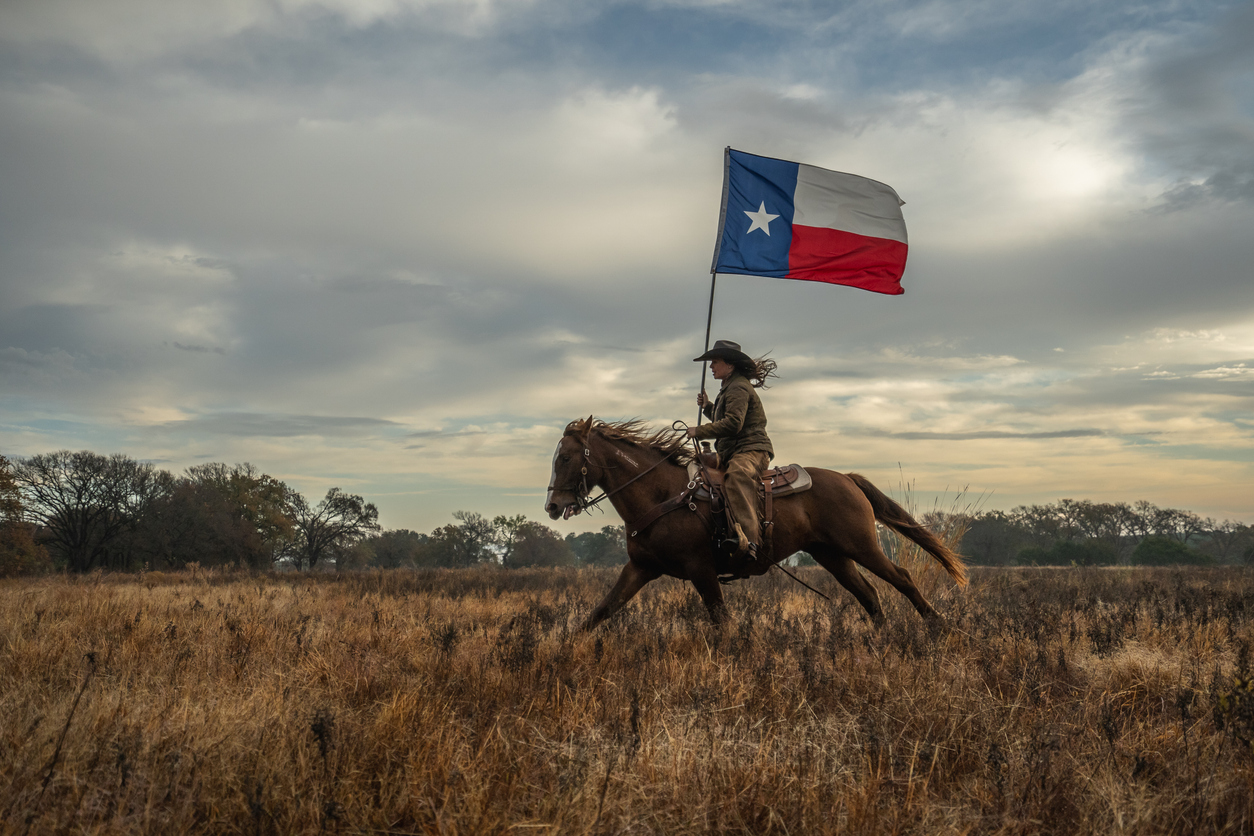
Visiting Texas quickly reveals that the state does not operate as one unified cultural experience. Instead, Texas feels like several regions sharing one border, each shaped by different histories, migration patterns, languages, food traditions, and social values.
East Texas carries strong Southern and Gulf influences. South Texas reflects deep Mexican and Tejano roots. The Hill Country preserves German and Czech heritage, while West Texas feels closer to the American Southwest and desert frontier culture. North Texas blends business-driven urban growth with traditional ranching identity.
What surprises many visitors is how strongly people identify with their region while still sharing a broader sense of Texan pride. Texas demonstrates that regional identity can be layered rather than singular.
How Texas's Major Regions Developed Distinct Cultures
Texas is commonly divided into several major cultural regions, each with its own atmosphere and historical influences.
East Texas developed closer ties to the Deep South through timber communities, agriculture, gospel traditions, and Southern cuisine. Cities and towns in this part of the state often feel culturally connected to Louisiana, Arkansas, and Mississippi.
Central Texas became heavily shaped by German, Czech, and European immigrants during the 1800s. That influence remains visible today in towns like Fredericksburg, New Braunfels, and West, where visitors still encounter biergartens, polka festivals, dance halls, and Czech bakeries selling kolaches.
South Texas and the Rio Grande Valley reflect generations of Mexican, Spanish, Indigenous, and Tejano influence. Spanish is commonly spoken throughout many communities, and regional traditions shape music, food, celebrations, and everyday life.
West Texas developed around ranching, oil, desert communities, military history, and isolated frontier towns. Places like Marfa, Alpine, and El Paso feel dramatically different from the forests of East Texas or the dense suburbs of Dallas-Fort Worth.
North Texas combines major urban growth with longstanding cattle and ranching traditions. Dallas and Fort Worth often represent two sides of this identity: one heavily corporate and modern, the other still closely tied to stockyards, rodeos, and Western heritage.
Why Border Regions Feel Different From the Rest of Texas
Some of the strongest examples of regional identity appear near the Texas-Mexico border.
In cities like Laredo, Brownsville, McAllen, and El Paso, visitors experience a culture that cannot easily be separated into “American” or “Mexican.” The region developed through centuries of movement, trade, migration, and family ties across both sides of the Rio Grande.
Food, language, music, and daily routines often reflect this blending naturally. Tex-Mex cuisine itself emerged from this cultural overlap rather than from one single tradition.
Many visitors also notice that border culture feels less performative than tourist-focused interpretations of “Texas culture.” It reflects everyday life shaped by bilingual communities and cross-border history.
Tejano Music, Conjunto, and Texas Cultural Identity
Music remains one of the clearest ways regional identity expresses itself in Texas.
Tejano and conjunto music developed in South and Central Texas through the blending of Mexican traditions with German and Czech accordion influences introduced by European immigrants during the nineteenth century.
The accordion and bajo sexto became defining instruments of regional music traditions that still influence Texas dance halls, festivals, and radio stations today.
Artists like Lydia Mendoza, Flaco Jiménez, and Selena helped bring Tejano music into national attention, but the roots remain deeply tied to Texas communities.
Visitors attending festivals, rodeos, or local dance halls often discover that music in Texas changes dramatically by region. East Texas leans toward blues, gospel, and country influences, while South Texas centers more heavily on Tejano, conjunto, and Norteño traditions.
Food Often Reveals Regional Identity Faster Than History Books
Texas cuisine changes noticeably depending on where you travel.
Barbecue styles alone vary significantly. Central Texas barbecue focuses heavily on smoked brisket and simple seasoning traditions influenced by German meat-smoking techniques. East Texas barbecue often includes chopped meat and sweeter sauces, while South Texas incorporates barbacoa and Mexican influences.
Seafood dominates parts of the Gulf Coast, especially around Galveston and Corpus Christi. Czech bakeries remain important landmarks in Central Texas towns. West Texas introduces more desert-inspired cooking and border cuisine.
Even breakfast differs by region. Breakfast tacos dominate much of South and Central Texas, while chicken-fried steak traditions remain especially strong in other areas.
For many visitors, food becomes one of the easiest ways to understand how regional identity shapes daily life.
The Texas Revolution Still Shapes Identity Differently Across Communities
The Texas Revolution remains one of the state’s most influential historical events, but people interpret its meaning differently depending on family history, ethnicity, and region.
For some Texans, the Alamo symbolizes independence, resilience, and state pride. For others, especially within Mexican-American communities, the historical narrative feels more complicated because it also involved conflict over land, citizenship, and political control.
Visitors often discover that Texas history is not presented identically across the state. Museums, monuments, and historical sites sometimes emphasize different perspectives depending on location and audience.
This complexity helps explain why Texas identity often feels emotionally strong yet internally diverse.
Texas Shows How Multiple Identities Can Coexist
One of the most distinctive things visitors notice about Texas is that people often maintain multiple identities at once without seeing them as contradictory.
Someone may strongly identify as:
- Texan
- Mexican-American
- German-Texan
- Black Texan
- Cajun
- Vietnamese-American
- Ranching family descendants
- Urban professionals
while still sharing broader state pride.
Houston alone demonstrates this layered identity through its enormous diversity. Vietnamese communities, Nigerian communities, Indian communities, Latino neighborhoods, and long-established Texas families all contribute to the city’s identity simultaneously.
Rather than erasing local cultures, Texas often absorbs them into a larger regional identity.
Language Remains One of Texas's Strongest Regional Markers
The way people speak changes noticeably across Texas.
East Texas accents often resemble Southern speech patterns found across the Deep South. West Texas speech tends to sound more Western and rural. South Texas contains strong bilingual influences shaped by generations of Spanish-English interaction.
Urban areas like Dallas, Austin, and Houston increasingly reflect migration from across the country and internationally, creating more neutral or blended accents among younger residents.
Spanish also remains deeply important across much of Texas. In many communities, bilingual communication is simply part of everyday life rather than something unusual.
Language reveals regional identity quickly because it reflects migration, history, education, and cultural interaction all at once.
Urban and Rural Texas Often Feel Like Different States
Visitors are often surprised by how dramatically Texas changes between urban and rural areas.
Dallas, Austin, and Houston contain dense urban neighborhoods, global food scenes, modern architecture, and rapidly growing populations. Meanwhile, many rural communities continue centering around ranching, agriculture, oil production, or small-town traditions.
Political attitudes can also vary significantly between cities and rural counties. Urban areas generally lean more progressive, while many rural regions remain strongly conservative.
This divide influences:
- Education priorities
- Economic development
- Cultural traditions
- Community values
- Local politics
Yet despite these differences, statewide identity still remains unusually strong compared to many other large states.
Festivals and Community Traditions Preserve Regional Culture
Throughout Texas, festivals help preserve regional identity across generations.
German heritage celebrations continue in Fredericksburg and New Braunfels. Czech festivals remain important in towns like West. Rodeos dominate many communities statewide, while Fiesta San Antonio reflects deep Mexican and Tejano cultural traditions.
East Texas communities often center festivals around gospel music, agriculture, or local history. Gulf Coast towns hold shrimp festivals and fishing tournaments, while West Texas communities host art festivals and desert events.
These traditions help communities maintain regional identity even as Texas grows rapidly and attracts new residents from around the country.
Conclusion
Visiting Texas teaches you that regional identity is rarely simple. The state contains multiple cultural landscapes shaped by migration, language, music, food, geography, and history.
East Texas feels different from West Texas. South Texas operates differently from Dallas-Fort Worth. Border communities reflect histories and traditions that visitors may not encounter elsewhere in the country.
Rather than functioning as one uniform culture, Texas operates more like several overlapping regions connected through shared pride, historical mythology, and strong local identity. That complexity is part of what makes the state so culturally distinctive.