
San Antonio’s History and Community Traditions That Still Shape the City
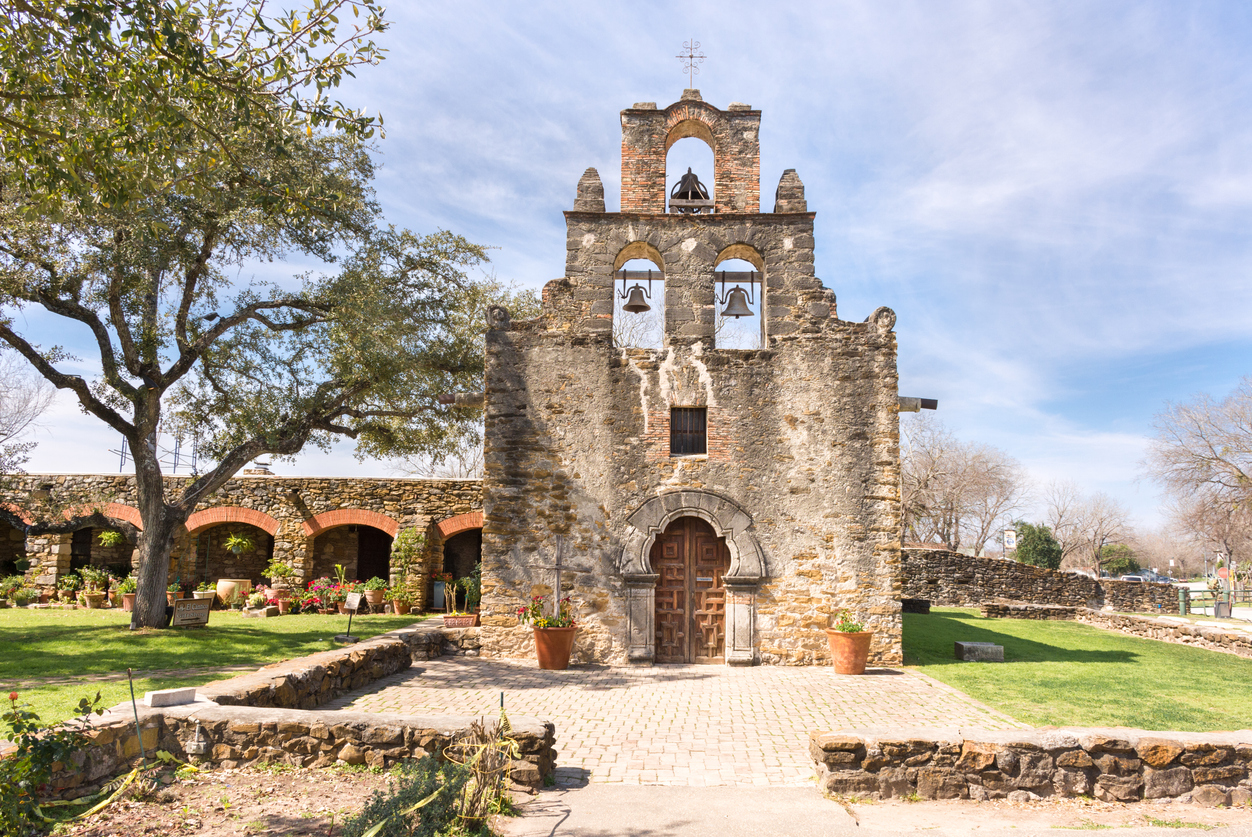
San Antonio’s deep sense of history and community comes from centuries of cultural blending shaped by Spanish colonial settlement, Indigenous heritage, immigration, religion, military influence, and neighborhood traditions that continue today. The city grew from a network of missions, presidios, and civilian settlements into one of Texas’ most culturally distinctive destinations. You can still experience that history throughout San Antonio, from the UNESCO-listed missions and San Fernando Cathedral to the King William Historic District, La Villita, and the paths that once formed part of El Camino Real. What makes San Antonio unique is that many of these historic places remain active parts of community life instead of preserved landmarks disconnected from the present.
San Antonio’s Spanish Colonial Origins and Early Settlers
View this post on Instagram
San Antonio’s recorded colonial history began in 1718 when Spanish missionaries established Mission San Antonio de Valero, later known as the Alamo, along the San Antonio River. At nearly the same time, Spanish soldiers founded Presidio San Antonio de Béxar to protect the region and support Spain’s territorial claims in Texas. The area was already home to Indigenous peoples, including the Payaya, who lived near the springs and waterways around Yanaguana, now downtown San Antonio. In 1731, a group of settlers from the Canary Islands arrived and established Villa de San Fernando de Béxar, the first civilian settlement in Texas officially chartered by the Spanish Crown. These settlers helped establish local government and expanded agriculture, trade, and civic life in the growing community. The combination of missionaries, soldiers, Indigenous communities, and civilian settlers created the multicultural foundation that still defines San Antonio today.
The Five San Antonio Missions and Their UNESCO Recognition
View this post on Instagram
The San Antonio Missions National Historical Park includes four Spanish frontier missions:
- Mission Concepción
- Mission San José
- Mission San Juan
- Mission Espada
The Alamo is historically part of the same mission system but is managed separately from the National Historical Park. In 2015, the missions became the first and only UNESCO World Heritage Site in Texas, recognized for their importance as preserved examples of Spanish colonial architecture and cultural exchange. Mission Concepción is considered the best-preserved unrestored stone church in the United States, while Mission San José is often called the “Queen of the Missions” because of its scale and architectural detail. The missions were designed as self-sustaining communities that included churches, workshops, living quarters, farmland, and irrigation systems. Many original acequias, or Spanish irrigation channels, still exist in parts of San Antonio.
San Fernando Cathedral and the Heart of Downtown San Antonio
View this post on Instagram
Located in Main Plaza, San Fernando Cathedral remains one of the oldest continuously functioning religious communities in the United States. The church traces its origins to the Canary Island settlers who arrived in 1731. Construction of the original church began in 1738, and the cathedral has remained an important religious and civic gathering place ever since. The structure visitors see today includes major Gothic Revival additions completed in the late 19th century. Over the years, the cathedral has witnessed major moments in Texas history, including periods connected to the Texas Revolution and military occupation. Today, San Fernando Cathedral still hosts regular worship services, public events, and cultural celebrations in the center of downtown San Antonio.
Spanish Governor’s Palace and Colonial Architecture in Downtown
View this post on Instagram
The Spanish Governor’s Palace offers one of the clearest surviving examples of Spanish colonial residential architecture in Texas. Built in the 18th century near Military Plaza, the structure served as the residence and administrative headquarters for Spanish military officials stationed in San Antonio. Thick stone walls, shaded courtyards, wooden doors, and carved architectural details helped the building withstand both heat and time. The building later underwent preservation work during the early 20th century and is now recognized as a National Historic Landmark. Its design still reflects the practical construction methods used during the Spanish colonial era.
Mission San José and Community Life in Colonial San Antonio
View this post on Instagram
Founded in 1720, Mission San José y San Miguel de Aguayo became one of the most important mission communities in Spanish Texas. The mission grew into a large social and economic center where Indigenous residents learned farming, livestock management, masonry, weaving, blacksmithing, and other trades. By the mid-18th century, the mission supported a sizable population and large agricultural operations. Today, visitors can still see the restored church, stone walls, workshops, and the famous Rose Window, one of the best-known examples of Spanish colonial stone carving in the region. Mission San José also remains an active parish, continuing the religious role it has held for centuries.
José Antonio Navarro and Tejano Leadership in Texas History
José Antonio Navarro was one of the most important Tejano political leaders in Texas history. Born in San Antonio in 1795, Navarro supported Texas independence and became one of only two native-born Tejanos to sign the Texas Declaration of Independence in 1836. Throughout his political career, he advocated for Tejano rights during a period of major political and cultural change in Texas. Navarro later served in the Republic of Texas government and participated in the Constitutional Convention that led to Texas joining the United States in 1845. His legacy remains closely tied to San Antonio’s identity as a city shaped by both Mexican and Texan history.
King William Historic District and German Influence in San Antonio
View this post on Instagram
During the 19th century, German immigrants helped shape many parts of San Antonio’s economy, architecture, and cultural life. The King William Historic District, located south of downtown, became one of the city’s wealthiest residential neighborhoods during the late 1800s. The area features Victorian, Italianate, Greek Revival, and other historic architectural styles built by successful German merchants, mill owners, and business leaders. Notable residents included Carl Hilmar Guenther, founder of Pioneer Flour Mills. Today, King William remains one of San Antonio’s most recognizable historic neighborhoods, known for its preserved homes, tree-lined streets, art galleries, restaurants, and annual cultural events.
El Camino Real and the Historic Routes Beneath Modern Streets
View this post on Instagram
Long before modern highways crossed Texas, El Camino Real de los Tejas connected Spanish missions, settlements, and military outposts across the region. San Antonio became a major crossroads along these routes because of its reliable water supply and central location. Several roads and pathways used during the Spanish colonial period influenced the layout of later streets and neighborhoods. Historic walking tours throughout downtown and the mission area often trace portions of these older travel corridors, helping visitors understand how San Antonio developed over time.
Why the Missions Still Matter to San Antonio Communities Today
One reason San Antonio’s historic missions feel different from many preserved historic sites is that several still function as active Catholic parishes today. Mission Concepción, Mission San José, Mission San Juan, and Mission Espada continue holding worship services, religious events, and community gatherings while also serving as historic landmarks and tourist destinations. This combination of living community spaces and preserved history helps keep the missions connected to modern San Antonio life instead of turning them into static museum sites. The missions also remain important educational, cultural, and spiritual spaces for residents throughout the city.
How History Continues Shaping Modern San Antonio Identity
San Antonio’s modern identity still reflects the layers of history built over more than three centuries. Spanish colonial architecture, Mexican and Tejano traditions, German immigrant influence, military history, Catholic heritage, and Indigenous roots all remain visible throughout the city’s neighborhoods, festivals, food traditions, and public spaces. You can see these influences in places like:
- The River Walk and downtown plazas
- Historic neighborhoods such as King William and La Villita
- Mission-area communities
- Fiesta celebrations
- Local markets and family-owned restaurants
- Spanish colonial churches and civic buildings
Rather than existing separately from daily life, San Antonio’s history continues shaping how neighborhoods grow, how traditions are celebrated, and how communities stay connected across generations.
Conclusion
San Antonio’s strong sense of history and community comes from the way its past remains woven into everyday life. The city’s missions, churches, plazas, neighborhoods, and cultural traditions are not isolated attractions—they are active parts of a living community shaped by centuries of shared history. From the early Indigenous communities and Spanish settlers to Tejano leaders, German immigrants, and modern residents, San Antonio continues to reflect the cultural blending that helped define the city from the beginning.