
Lifestyle Differences Visitors Notice in the DFW Metroplex
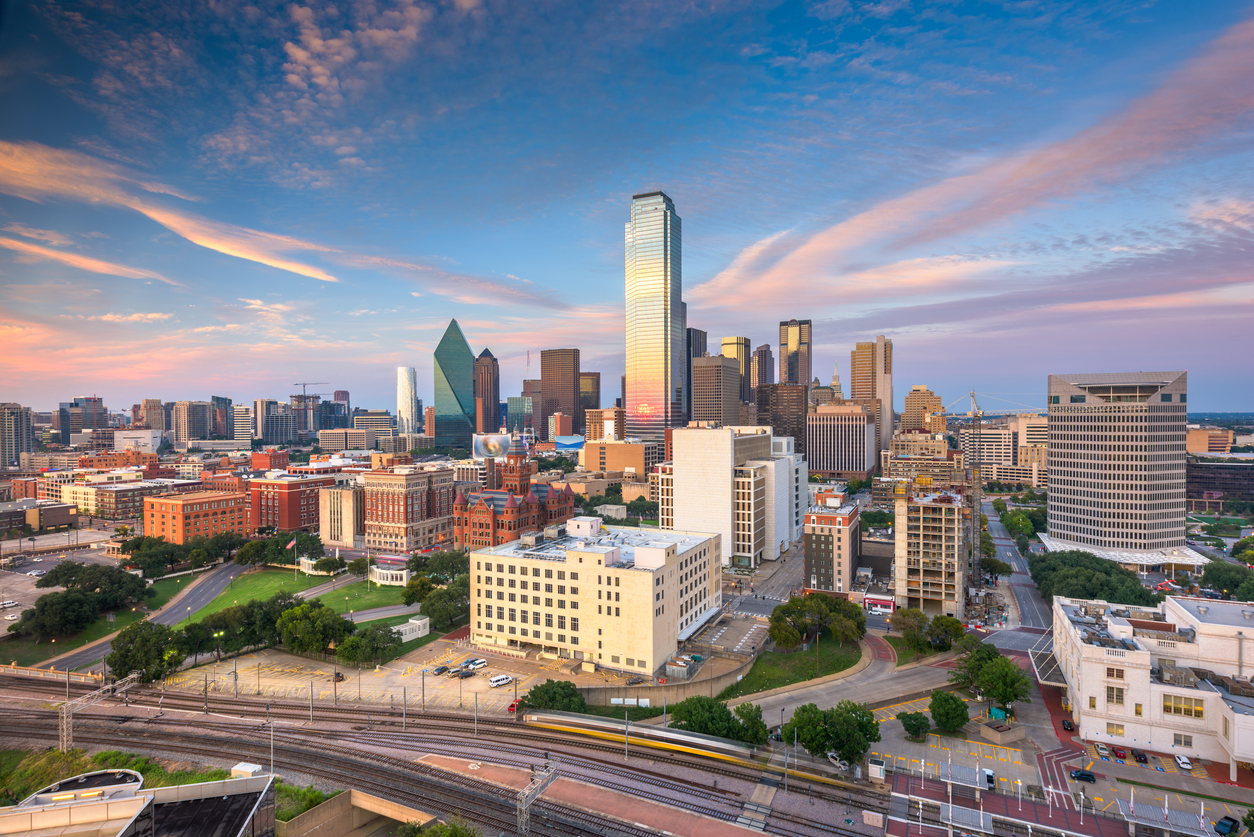
You’ll quickly notice that life in the Dallas–Fort Worth Metroplex (DFW) revolves around space, convenience, and mobility. The region spans thousands of square miles, and while it offers a wide range of amenities, they are often spread out. Your daily experience—whether you stay in downtown Dallas, Fort Worth, or the northern suburbs—will shape how you move around, what you have access to, and how you spend your time.
You’ll Drive Often in DFW: Planning for Distance Matters
View this post on Instagram
Getting around DFW typically means driving is the primary mode of transportation. According to U.S. Census commuting data, the majority of workers in both Dallas and Fort Worth commute by car, with solo driving making up the largest share. The metroplex covers a vast area—over 9,000 square miles across multiple counties—so even routine trips can involve significant travel time. While public transit systems like DART (Dallas Area Rapid Transit) and Trinity Metro exist, they serve specific corridors and are less practical for many daily errands compared to driving. Visitors should plan for:
- Travel times of 20–45 minutes between major areas
- Toll roads such as the Dallas North Tollway and President George Bush Turnpike
- Peak traffic during weekday commute hours
Understanding this layout helps set realistic expectations for navigating the region.
Public Transit Options in DFW: What You Can and Can’t Rely On
While DFW is primarily car-dependent, there are public transit systems that can be useful in certain areas.
- DART (Dallas Area Rapid Transit): Operates light rail and bus lines connecting Downtown Dallas, Uptown, Plano, Richardson, Irving, and DFW Airport. The Red and Orange Lines are especially useful for airport access and commuting corridors.
- Trinity Railway Express (TRE): Connects Downtown Dallas and Downtown Fort Worth, with stops in Irving and near the airport. It’s a practical option for travel between the two cities.
- Trinity Metro (Fort Worth): Provides bus service and TEXRail, which connects Fort Worth to DFW Airport.
Public transit works best for specific routes and downtown access, but most visitors will still rely on a car or rideshare for flexibility.
Walkable Neighborhoods Exist, but They’re Limited
View this post on Instagram
DFW does offer walkable districts, but they are relatively concentrated in certain areas rather than widespread. Neighborhoods like Uptown Dallas, Downtown Dallas, Bishop Arts District, and parts of Fort Worth’s Sundance Square provide higher walkability, with restaurants, shops, and entertainment within close proximity. However, these areas tend to have higher rental and housing costs compared to suburban neighborhoods. Outside of these pockets, most communities are designed around driving, meaning even short errands often require a vehicle.
Master-Planned Suburbs Shape Modern Living
A defining feature of DFW is the growth of master-planned suburban communities, especially in cities like Frisco, Prosper, McKinney, and Plano. These developments are designed with convenience in mind, often including:
- Parks, trails, and green spaces
- Community centers and pools
- Nearby schools and retail hubs
Communities such as Windsong Ranch (Prosper) and Phillips Creek Ranch (Frisco) are known for large-scale planning and amenities that appeal to families. While home prices vary widely depending on location and market conditions, these suburbs continue to attract residents looking for space, newer homes, and community-focused living.
Cost of Living: Moderate Overall, With Regional Differences
The cost of living in DFW is generally considered close to or slightly below the national average, though this varies by category.
- Housing ranges from more affordable suburban options to higher-priced urban apartments
- Utilities can be higher due to extended air conditioning use during hot summers
- Transportation costs increase with longer commutes, fuel expenses, and toll roads
Your total expenses will depend heavily on where you live and how far you travel each day.
Amenities Are Abundant—But Spread Out
View this post on Instagram
DFW offers a wide variety of attractions, including museums, sports venues, parks, golf courses, and fitness centers. Major destinations like the Dallas Museum of Art, Fort Worth Stockyards, AT&T Stadium, and PGA Frisco highlight the region’s diversity. However, these amenities are distributed across the metroplex rather than concentrated in one area. This means:
- Visiting multiple attractions in one day may require significant driving
- Planning activities by geographic area can save time
- Spontaneous trips are easier within a single neighborhood than across cities
North Suburbs vs. Urban Living: Different Lifestyles
Choosing between urban and suburban areas in DFW leads to very different daily experiences.
| Factor | Urban Areas (Dallas/Fort Worth) | North Suburbs (Frisco, Plano, Prosper) |
|---|---|---|
| Housing | Higher density, apartments and condos | Larger homes, newer developments |
| Lifestyle | Dining, nightlife, cultural venues | Family-oriented, quieter pace |
| Transportation | Some walkability, transit access | Primarily car-dependent |
| Community | Diverse, fast-paced | Neighborhood-centered, planned events |
Urban areas offer proximity to entertainment and workplaces, while suburbs provide space, schools, and quieter environments. Both options are widely available, depending on personal preference.
Visitor Tips: Where to Stay Based on Your Itinerary
Where you stay in DFW can significantly affect your experience due to the region’s size.
- For first-time visitors or nightlife: Stay in Downtown Dallas, Uptown, or Deep Ellum for easy access to restaurants, entertainment, and attractions.
- For business or airport access: Consider Las Colinas (Irving) or areas near DFW Airport, which provide central access to both Dallas and Fort Worth.
- For family trips: Suburbs like Plano, Frisco, or Grapevine offer proximity to shopping, parks, and attractions like LEGOLAND Discovery Center and Grapevine Mills.
- For cultural experiences: Stay near Fort Worth’s Cultural District or Sundance Square for museums and historic sites.
Choosing accommodations based on your planned activities helps minimize travel time and improves your overall visit.
Conclusion
You’ll find that life in the DFW Metroplex is shaped by its scale. The region offers extensive choices—from vibrant urban districts to expansive suburban communities—but navigating it requires planning and flexibility. Whether you prioritize walkability, affordability, or space, your location will define how you experience everything DFW has to offer.