
Austin’s Individualistic Culture and Creative Energy
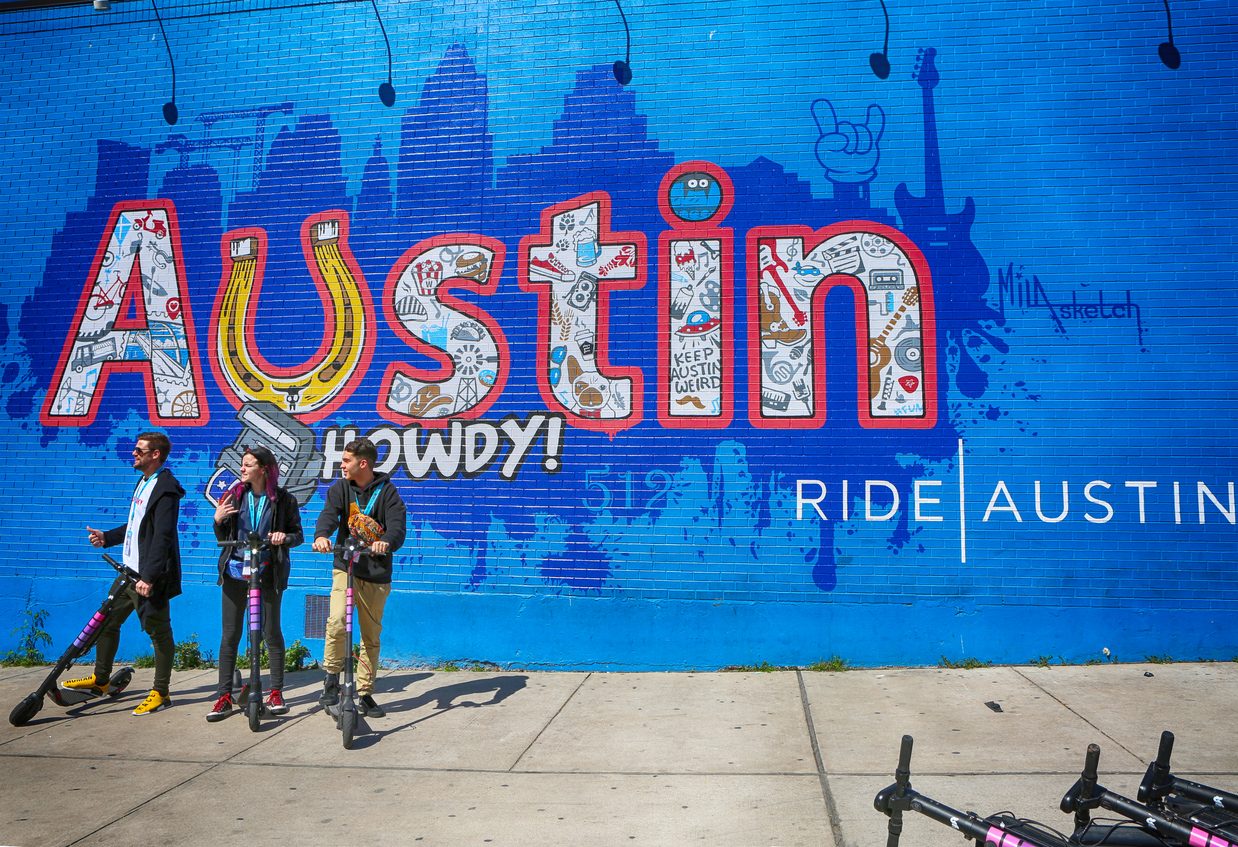
Austin’s individualistic culture has evolved through a blend of independent thinking, artistic expression, and entrepreneurial energy rather than a single defining moment. You’ll find this spirit reflected in everything from iconic music venues and locally owned businesses to the city’s long-standing support for creative communities. The “Keep Austin Weird” ethos captures this identity—encouraging originality, local pride, and a willingness to do things differently. At the same time, rapid growth and rising costs continue to reshape how that creative energy is sustained.
What Does "Keep Austin Weird" Actually Mean?
View this post on Instagram
In 2000, local librarian Red Wassenich popularized the phrase during a pledge drive for KOOP Radio, and it quickly became shorthand for Austin’s cultural identity. What started as a grassroots slogan evolved into a broader movement supporting locally owned businesses, independent artists, and creative spaces. You’ll see it in places like the Cathedral of Junk, long-running traditions like Chicken Shit Bingo, and the city’s vibrant street art scene. The Austin Independent Business Alliance later adopted the phrase to promote local commerce and community identity. At its core, “Keep Austin Weird” reflects a commitment to individual expression, small business support, and cultural diversity, even as the city continues to grow.
How Austin's History Shaped Its Creative Freedom
Austin’s creative identity didn’t emerge from formal political alignment but from a mix of university influence, counterculture movements, and progressive local policies. The presence of the University of Texas helped attract artists, writers, and musicians, while the 1970s and 1980s brought a wave of creative experimentation tied to music, film, and independent business growth. Policies supporting arts funding, public spaces, and inclusivity helped create an environment where alternative lifestyles and creative industries could thrive. Landmarks like the Armadillo World Headquarters (1970–1980) became symbols of this era, blending music, art, and community in ways that shaped Austin’s reputation as a cultural hub.
Why Musicians and Artists Choose Austin Over Other Texas Cities
Austin’s appeal to artists comes from its dense network of venues, festivals, and collaborative spaces rather than a single metric. The city’s designation as the “Live Music Capital of the World” reflects its long-standing emphasis on live performance and local talent development. Events like South by Southwest (SXSW) and Austin City Limits Music Festival provide exposure and networking opportunities, while smaller venues across Downtown, East Austin, and South Congress offer accessible stages for emerging performers. Compared to larger cities like Houston or Dallas, Austin’s compact creative ecosystem allows artists to build connections more quickly, moving from small gigs to larger opportunities within the same city.
How Austin's Tech Boom Intersects with Creative Culture
Austin’s tech growth has brought new investment, jobs, and infrastructure, but it has also reshaped the creative landscape. Companies relocating to the city often highlight its quality of life, music scene, and cultural identity as key reasons for choosing Austin. This overlap has created opportunities for collaboration, with tech supporting creative industries through digital platforms, media production, and startup funding. At the same time, rising housing costs and commercial rents have made it harder for some artists and small businesses to remain in central neighborhoods.
Iconic Businesses and Venues That Shaped Austin Culture
View this post on Instagram
Several businesses and venues have played a defining role in Austin’s cultural development. The Armadillo World Headquarters (1970–1980) stands as one of the most influential spaces in the city’s history, blending music, art, and counterculture into a single venue that helped establish Austin’s national reputation. Whole Foods Market, founded in Austin, demonstrated how independent business ideas could scale while maintaining community values, influencing how local entrepreneurship is viewed today. Long-running institutions like Austin City Limits and major festivals such as SXSW continue to reinforce the city’s identity as a creative and cultural destination, drawing artists, filmmakers, and innovators from around the world. Together, these venues and businesses illustrate how Austin’s culture is built on both grassroots creativity and scalable innovation.
Iconic Businesses and Venues That Shaped Austin Culture
Several businesses and venues have played a defining role in Austin’s cultural development. The Armadillo World Headquarters (1970–1980) stands as one of the most influential spaces in the city’s history, blending music, art, and counterculture into a single venue that helped establish Austin’s national reputation. Whole Foods Market, founded in Austin, demonstrated how independent business ideas could scale while maintaining community values, influencing how local entrepreneurship is viewed today. Long-running institutions like Austin City Limits and major festivals such as SXSW continue to reinforce the city’s identity as a creative and cultural destination, drawing artists, filmmakers, and innovators from around the world. Together, these venues and businesses illustrate how Austin’s culture is built on both grassroots creativity and scalable innovation.
How Population Growth Has Changed Austin's Identity
Between 2010 and 2020, Austin experienced significant population growth, adding new residents from across the country and around the world. This influx has expanded the city’s diversity while also increasing demand for housing, infrastructure, and commercial space. You’ll notice changes in neighborhood character, with new developments, shifting demographics, and evolving cultural spaces. While growth has introduced new ideas and talent, it has also created challenges for preserving the independent, small-scale environments that once defined many parts of the city.
Can Austin Still Afford Its Artists?
Affordability remains one of the biggest challenges facing Austin’s creative community. Rising rents and property values have made it more difficult for artists, musicians, and small business owners to secure affordable workspace and housing. Some local initiatives aim to address this issue through grants, creative space programs, and cultural preservation efforts. However, many artists continue to adapt by sharing spaces, relocating to outer neighborhoods, or exploring new business models to sustain their work.
How City Leaders Support Creative Communities
Austin continues to invest in its creative economy through arts funding, cultural programs, and public space development. Organizations like the City of Austin’s cultural arts divisions and local commissions help guide policy and funding decisions that support artists and creative businesses. Projects such as Waterloo Greenway and improvements to cultural centers reflect ongoing efforts to maintain accessible spaces for artistic expression while accommodating growth.
What Austin's Tax Structure Means for Residents
Texas does not have a state income tax, which can be appealing for residents and businesses. However, this structure shifts reliance to sales taxes and property taxes, which can impact overall cost of living. In Austin, rising property values have increased housing costs, influencing affordability for both residents and creative professionals. Understanding the full cost of living requires considering housing, transportation, and daily expenses, not just tax rates.
What Transplants Should Know About Austin Culture
New residents often arrive with expectations shaped by Austin’s reputation, but the city’s culture is more nuanced than a single slogan. While creativity and individuality remain central, Austin is also a rapidly growing, economically diverse city with a mix of perspectives and lifestyles. Building connections typically requires active participation in local communities, whether through events, creative spaces, or neighborhood activities. The city’s welcoming nature is real, but meaningful engagement takes time and effort.
Conclusion
Austin’s creative energy comes from a long history of independent thinking, artistic expression, and community-driven culture. While growth and rising costs continue to reshape the city, the spirit of innovation and individuality remains visible in its music, businesses, and public spaces. Whether you’re exploring local art, attending live shows, or supporting small businesses, you’re experiencing a culture that continues to evolve while holding onto its creative roots.
Related posts