What It’s Like Being a Baker in Small-Town Texas
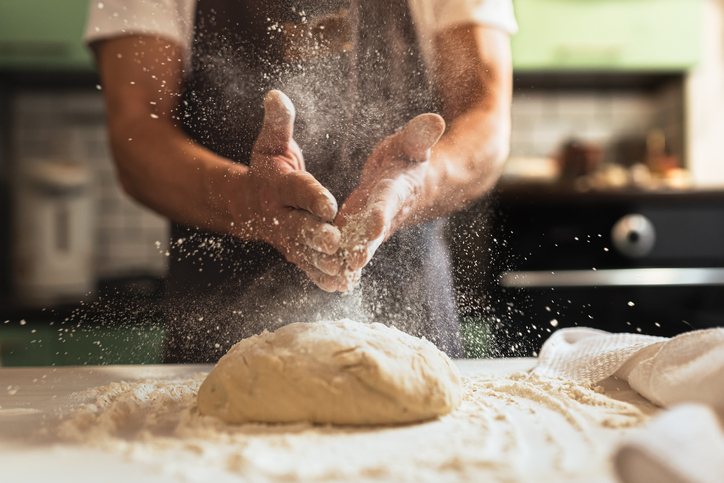
You'll rise before dawn, often at 2–4 a.m., when streets are empty and your bakery lights shine alone. Your day demands physical endurance as you create the first aromas to greet your town. Czech traditions blend with Texas culture through kolaches and klobasneks, while you juggle fluctuating ingredient costs and inventory challenges.
You'll know customers by name, share their stories, and become woven into community celebrations. The flour-dusted journey offers more than just making bread.
The Early Bird's Advantage: Dawn Shifts in a Texas Bakery
While most of the town sleeps peacefully under the starlit Texas sky, local bakers are already hard at work in flour-dusted kitchens.
Your day begins between 2:00 and 4:00 a.m., when you'll switch on lights that illuminate empty streets outside.
These sunrise routines demand physical stamina—you'll stand for hours, lift heavy ingredients, and move continuously. But there's magic in these quiet moments. You're crafting the first fresh scents that will greet your neighbors. Many small-town bakeries rely on a few quick-mix items that need minimal kneading and shorter proofing times, making them perfect for tight morning schedules without sacrificing quality.
Becoming Part of the Town's Identity
How does a simple bakery transform into the beating heart of a small Texas community? It happens gradually as you knead Czech traditions into Texas soil. When you bake kolaches using recipes passed down through generations, you're not just making breakfast—you're preserving cultural heritage that defines towns like West, Texas, long known for its Czech pastries and hospitality.
Your bakery becomes more than a business when regulars share family stories over coffee, or when your klobasneks appear at church gatherings. Community pride emerges when tourists detour off highways specifically to taste your creations, or when you mentor local teenagers in heritage baking techniques. You witness firsthand how the versatile pastry's appeal transcends cultural backgrounds, bringing diverse customers together through shared appreciation of these beloved treats.
Your bakery's participation in festivals like Westfest cements your role in maintaining the town's Czech-Texan identity, making you a guardian of traditions that might otherwise fade with time.
The Economics of Flour and Sugar in Rural Texas
When global wheat prices ease while sugar costs climb steadily upward, you'll feel these market forces directly in your small-town Texas bakery. Your proximity to suppliers affects transportation costs, demanding strategic inventory management to stay profitable.
You'll navigate these challenges through diversifying product offerings. When sugar prices spike noticeably, pivot toward more flour-based items to maximize your margins. Conversely, when wheat prices trend lower than typical long-term levels, you can capitalize by featuring sweeter treats that use more sugar relative to flour.
Leveraging technology advancements in inventory tracking helps you anticipate price fluctuations and adjust accordingly. Building relationships with local suppliers not only reduces transportation costs but also helps insulate you from some market volatility. In rural Texas, your success depends on turning these economic realities into competitive advantages rather than obstacles.
From Family Recipes to Regional Distribution
As you transform treasured family recipes into the foundation of your small-town Texas bakery, you're continuing a rich tradition that defines the authentic taste of your region. Your pecan pies and kolaches aren't just products—they're your heritage on display.
When you're ready to expand beyond local customers, you'll face the delicate balance of maintaining recipe authenticity while adapting to new markets. What began as grandma's kitchen creation can evolve into wholesale partnerships with regional distributors, bringing your signature flavors to neighboring towns and cities.
Many successful Texas bakeries like Round Rock Donuts have grown from small local shops to businesses with multiple locations and products available at local convenience and grocery stores.
This shift requires preserving the craftsmanship that made your baked goods famous. You'll coordinate timely deliveries and manage inventory while ensuring each pecan pie or empanada still tastes like it came straight from your family kitchen—the essence of your small-town Texas bakery's success.
Navigating Seasonal Rhythms and Local Festivals
The rhythms of small-town Texas bakery life shift dramatically with each passing season. You'll find summer brings quieter days as customers venture outdoors, giving you time to refine recipes and maintain equipment.
When fall arrives, your ovens barely cool as demand surges for hearty breads and pecan-filled treats. This seasonal change requires optimizing production scheduling to accommodate holiday rushes and weekend festivals. Bakers who take a seasonal approach find success by focusing on fall and winter offerings when demand peaks.
Local events become your lifeline for expanding customer reach. You'll transform into both baker and vendor, showcasing your kolaches and traditional Czech pastries at farmers' markets and county fairs. These gatherings aren't just sales opportunities—they're where you connect with your community and build loyalty.
Your production cycle follows festival calendars, requiring careful planning to balance daily offerings with special event preparations.
The Salary Reality: Making a Living as a Small-Town Baker
Living on a baker's salary in small-town Texas requires both passion and financial planning. You'll likely earn around $13–$17 per hour in many areas, putting your annual income roughly in the high-$20,000s to mid-$30,000s—below the national median, with Texas ranking near the bottom (50th out of 50 states in one analysis) for baker wages.
Your earnings will fluctuate with seasonal revenue surges, particularly during local festivals when business spikes. Meanwhile, ingredient sourcing challenges can eat into your profit margins year-round.
Experience considerably impacts your income potential. Entry-level positions often start not far above local minimum wage—around the low-$10s per hour—while specialized skills or certifications can boost you toward the $18–$19 range or higher, especially in larger markets.
Urban centers like Houston or Austin may offer slightly better compensation than smaller towns, and high-end employers such as upscale grocers, hotels, or destination bakeries can pay into the mid-$40,000s and above for experienced bakers.
Building Skills Without Big City Resources
Developing your craft as a baker in rural Texas presents unique challenges when metropolitan resources remain hours away. You'll likely find yourself honing traditional techniques through family recipes and self-directed practice rather than formal culinary education. Without nearby baking schools, you're building skills through a patchwork of online courses, occasional workshops requiring lengthy drives, and essential community feedback.
Overcoming geographic isolation means creating your own opportunities—establishing mentorships with experienced local bakers, participating in regional festivals, and transforming farmers' markets into practical laboratories for product testing. This approach differs significantly from structured baking and pastry programs, which can offer intensive training over several months to a year or more in dedicated facilities.
You'll adapt to equipment limitations by improvising with household tools before investing in commercial gear. While urban bakers access specialized training more easily, your skill development relies on entrepreneurial initiative, community networks, and the resourcefulness that defines small-town Texas baking.
When Your Customers Become Family
Unlike urban bakeries where anonymity often defines customer relationships, your small-town Texas bakery transforms regular patrons into extended family through deeply personal connections. You'll remember not just their orders but their children's names, upcoming surgeries, and anniversary dates.
These intimate personal bonds blur professional boundaries as customers share life's triumphs and struggles across your counter. They'll rally around you during tough times, offering advice or even support when needed. Much like community banks that rely on "soft information" about their clients, you gather personal insights that help you serve customers better than any chain operation could.
Your bakery becomes more than a business—it's a community hub where symbiotic customer relationships flourish. You'll find yourself baking birthday cakes at a discount or slipping in extras, while those same customers promote your business through passionate word-of-mouth.
The trust you build becomes your strongest currency, creating a loyal foundation that urban bakeries rarely experience.
The Balancing Act: Work Hours and Small-Town Life
While many professions follow the rhythm of nine-to-five workdays, your life as a small-town Texas baker revolves around a drastically different clock. You're likely arriving at work between 2–5 a.m., putting in 8–12 hour shifts with little reprieve on weekends or holidays.
At roughly $14 an hour on average in Texas, which sits below the national norm for bakers and reflects the state's low ranking in at least one wage comparison, you're balancing personal commitments against demanding schedules that rarely align with family activities. Coping with fatigue becomes a daily challenge when your alarm sounds while neighbors sleep. Financial pressures add another layer of complexity to your work-life balance.
Yet this lifestyle offers unique advantages. You develop deep connections with regular customers, and the small-town environment can provide flexibility that corporate bakeries can't match. Success means mastering time management, creating support networks, and finding community integration despite unconventional hours.
Growth Opportunities in an Evolving Industry
How exactly can you thrive as a small-town Texas baker in today's rapidly evolving industry? You're working within a broader bakery sector that remains sizeable and steadily growing—the U.S. bakery products market is projected to rise from about $79 billion in 2023 to roughly $87 billion by 2029.
Despite rising labor costs, national employment for bakers is expected to grow about 6% from 2024 to 2034, with roughly 39,900 job openings each year on average, driven by replacement needs and new positions.
You can adapt by leveraging technology through selective automation, better scheduling systems, and perhaps experimenting with frozen or par-baked products, a category in a global market projected to reach tens of billions of dollars by 2032.
The trend toward healthier, clean-label, and artisanal offerings also creates niches you can fill—from heritage grains and naturally leavened breads to allergen-conscious treats. With consistent demand, ongoing job openings, and room for specialization, your growth potential as a small-town Texas baker remains strong in this evolving landscape.