What Is Pop Culture and Why Does It Shape the Way We Act, Talk, and Dress?
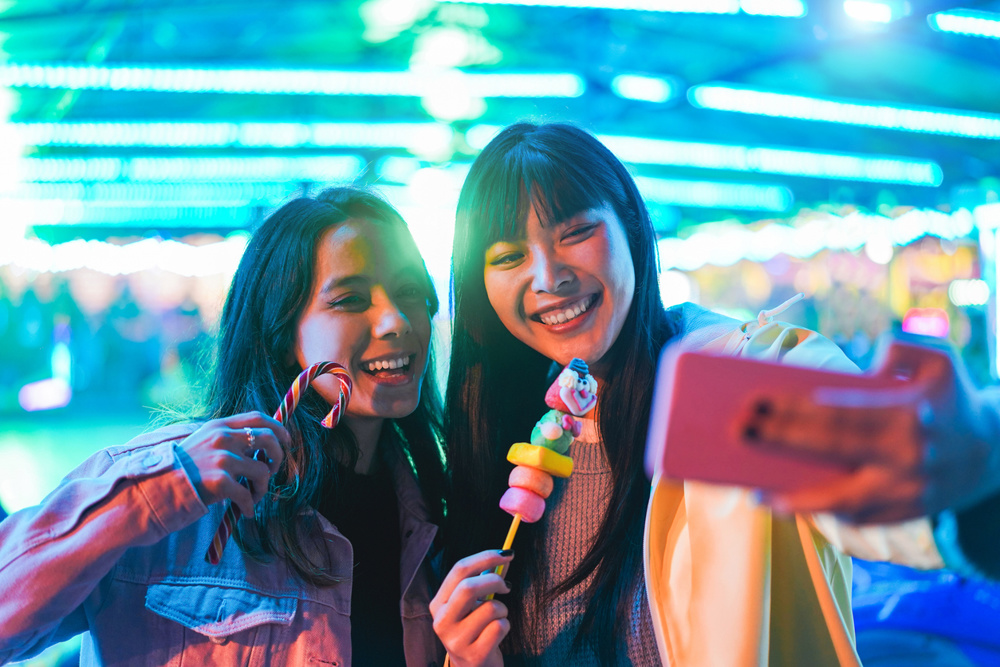
Pop culture is woven into everyday life, whether you notice it or not. The music topping streaming charts, the phrases filling social media feeds, the movies dominating conversations, and the fashion trends appearing in stores all become part of a shared cultural experience. Even people with different backgrounds often recognize the same songs, memes, celebrities, and viral moments.
More than just entertainment, pop culture influences how people express themselves and connect with others. It introduces new ideas, popularizes trends, and creates common reference points that shape conversations around the world. From blockbuster films and chart-topping artists to internet memes and viral challenges, pop culture evolves quickly. Its impact often lasts much longer than the trends themselves.
What Is Pop Culture, Really?
Pop culture, short for popular culture, refers to the ideas, entertainment, trends, and behaviors that are widely recognized and shared by a large number of people at a particular point in time. It includes everything from hit television shows and bestselling books to fashion styles, internet memes, sports moments, and celebrity news. Pop culture changes constantly as new influences capture public attention.
One of the defining features of pop culture is its accessibility. Anyone with access to television, streaming services, social media, or the internet can participate by watching a popular series, listening to trending music, or joining online conversations. Whether discussing the latest blockbuster movie, reacting to a viral TikTok trend, or quoting a memorable line from a movie—help create a sense of connection between people who may never meet in person.
Because it reflects what people are watching, listening to, wearing, and talking about, pop culture also acts as a snapshot of society at a particular moment. Looking back at different decades reveals how cultural interests have shifted over time, from the rise of rock and roll in the 1950s to the popularity of superhero films, K-pop, streaming platforms, and creator-driven content today.

How Pop Culture Became a Global Force
For much of history, cultural trends spread slowly. Music, fashion, and storytelling were often shaped by local communities, with ideas traveling only as fast as people and printed materials could move. The growth of newspapers, radio, and cinema began changing that by allowing millions of people to experience the same entertainment regardless of where they lived.
The internet transformed that process on a global scale. Streaming services made movies and television shows available almost anywhere, while platforms like YouTube introduced audiences to creators from around the world. Korean pop music, Japanese anime, Latin American music, and international films now reach audiences far beyond their countries of origin, allowing different cultures to influence one another more quickly than ever before.
Rather than replacing local traditions, global pop culture often blends with them. Fashion combines styles from different regions, musicians experiment with international sounds, and filmmakers borrow storytelling techniques from cultures across the globe. This constant exchange has created a cultural landscape where ideas move freely, making pop culture one of the most recognizable examples of globalization in everyday life.
Why Pop Culture Spreads So Fast
Pop culture has always evolved, but today's trends spread at remarkable speed because technology has removed many of the barriers that once slowed communication. A television show can become a worldwide sensation overnight, a song released in one country can climb international charts within days, and a meme created by one person can appear on millions of screens before the week is over.
Several factors help explain why this happens. Recommendation algorithms highlight content that is already attracting attention, making it even more visible to new audiences. Social media encourages people to like, comment, remix, and share posts with friends, while creators can publish videos, music, or artwork instantly without waiting for traditional media outlets.
Streaming platforms, mobile devices, and global internet access ensure that the same content can reach audiences across different countries at nearly the same time. The speed of modern pop culture also depends on participation. Trends grow because people actively join them, whether by recreating a dance challenge, sharing a reaction video, quoting a memorable movie line, or adapting a popular meme.
How Social Media Changed Pop Culture
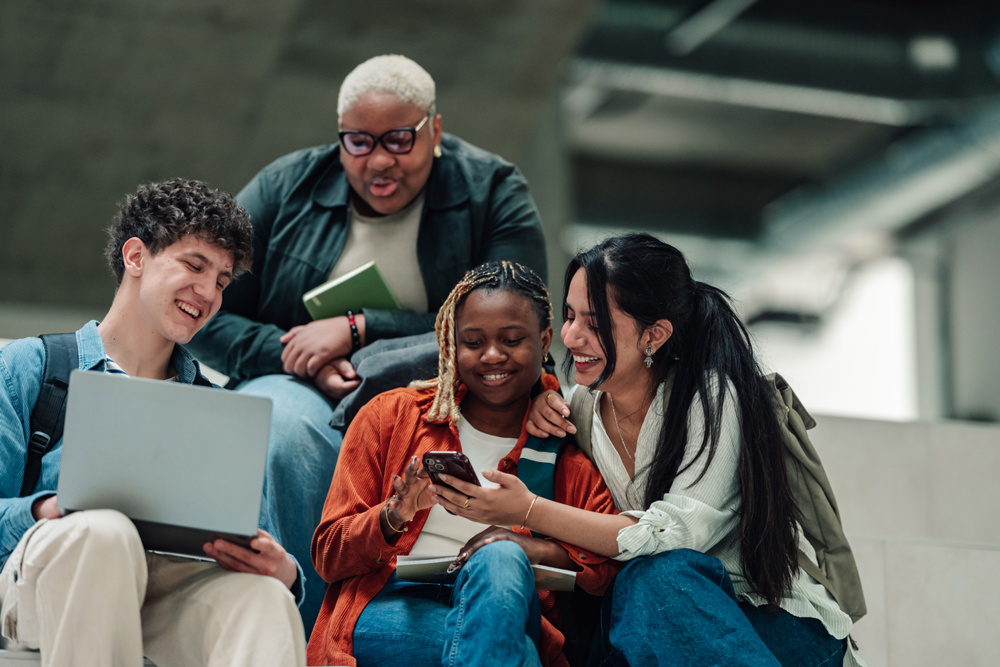
Social media has transformed pop culture from something people simply consumed into something they actively help create. In the past, trends were largely introduced by television networks, movie studios, magazines, or record labels. Today, anyone with a smartphone can upload a video, create a meme, or start a conversation that reaches millions of people. This shift has made pop culture faster, more interactive, and far less dependent on traditional gatekeepers.
Platforms such as TikTok, Instagram, YouTube, and X have become major drivers of cultural trends because they reward content that attracts attention quickly. A dance challenge can inspire millions of recreations, a comedy sketch can introduce a new catchphrase, and a short review can send a book or restaurant to the top of the charts.
Recommendation algorithms amplify this process by showing popular content to more users, creating a cycle in which each share, comment, or like increases a trend's visibility. Social media has also shortened the life cycle of many trends. While some songs, films, or fashion styles remain influential for years, many online trends rise and fade within weeks. At the same time, platforms give older movies, television shows, and songs a second life when clips or soundtracks suddenly go viral.
Why Pop Culture Changes How We Think and Act
Pop culture doesn't just entertain—it also shapes how people view the world. Repeated exposure to similar ideas, behaviors, and lifestyles influences what feels familiar, fashionable, or socially acceptable. Seeing the same types of humor, relationship dynamics, or personal success stories across movies, television, music, and social media gradually affects expectations, even when people don't consciously realize it.
This influence often becomes visible through everyday decisions. A fitness trend promoted by creators may inspire people to adopt new exercise routines, while a television series might increase interest in a particular hobby, travel destination, or style of decorating. Fashion trends frequently follow the same pattern, as celebrities and influencers introduce looks that quickly appear in stores and on social media feeds.
Social influence also plays an important role. People naturally want to feel connected to friends, classmates, coworkers, and online communities. When a movie, artist, or trend becomes widely discussed, participating in those conversations creates a shared experience. Over time, these small influences accumulate, helping shape opinions, habits, and preferences while giving people common cultural reference points.
How Pop Culture Shapes the Words We Use
Language shifts faster than most people realize, and pop culture is one of its biggest engines. When you scroll through social media or watch a hit series, you're absorbing new expressions without even noticing. Pop culture shapes your speech through four key mechanisms:
- Slang diffusion — street and subculture terms enter mainstream conversation through music and viral content
- Meme linguistics — repeated visual-text formats create shared phrasing that spreads across platforms
- Catchphrase adoption — memorable lines from film, TV, or advertising become embedded in daily speech
- Celebrity vernacular — public figures introduce words and tones that fans quickly mirror
These patterns don't just add vocabulary. They signal which communities you belong to, which generation shaped you, and what cultural moments you've witnessed firsthand.
Why Pop Culture Has Always Driven Fashion Trends
Fashion and pop culture have influenced one another for generations. Clothing trends often become popular because musicians, actors, athletes, or public figures introduce them to large audiences. What begins as a distinctive look for a celebrity or a specific community can quickly appear in clothing stores, social media feeds, and everyday wardrobes around the world.
Modern fashion trends spread especially quickly because they're constantly photographed and shared online. A single red-carpet appearance, concert tour, or viral video can inspire millions of people to experiment with similar styles. The renewed popularity of Y2K fashion, the widespread interest in pink clothing following the Barbie movie, and the influence of artists like Taylor Swift and K-pop groups on clothing and accessories all demonstrate how entertainment and fashion continue to shape one another.
Fashion also allows people to express identity and connect with communities that share similar interests. Fans often wear merchandise supporting favorite artists, sports teams, or films, while others adopt styles inspired by gaming, anime, or streetwear culture. In this way, clothing becomes more than a practical necessity—it becomes another way people participate in and communicate through pop culture.
How Movies, Music, and Gaming Shape Pop Culture
Some forms of entertainment have a greater cultural reach than others, and movies, music, and video games consistently shape the trends people talk about most. Major film releases introduce memorable characters, catchphrases, and visual styles that quickly spread beyond the screen. Whether it's the global success of the Marvel Cinematic Universe, the Barbie phenomenon, or animated films that inspire costumes and merchandise, popular movies often influence conversations, fashion, and even consumer products.
Music has an equally powerful impact because it crosses language and cultural barriers with ease. Global artists such as Taylor Swift, BTS, Bad Bunny, and Beyoncé inspire not only playlists but also fashion trends, fan communities, and social media challenges. A single song can become the soundtrack for millions of videos, while concerts and award shows generate moments that dominate headlines and online discussions.
Video games have become another important cultural force. Titles like Minecraft, Fortnite, and The Legend of Zelda have introduced characters, dances, phrases, and collaborative online experiences that extend far beyond gaming communities. Livestreams, esports tournaments, and online creators have made gaming part of mainstream entertainment, showing that pop culture is no longer shaped only by television and film but also by interactive experiences that millions of people enjoy together.
Why Pop Culture Matters to Everyday Life
Although pop culture is often associated with entertainment, its influence reaches into everyday routines in ways that are easy to overlook. It shapes the products people buy, the restaurants they visit, the vacations they plan, and even the conversations they have with friends and coworkers. Shared cultural references make it easier to connect with others because they create common experiences that people can discuss regardless of where they come from.
Understanding what pop culture means today also helps explain why certain trends resonate so quickly and continue influencing everyday life long after they first appear. Pop culture also encourages creativity and innovation. Artists build on earlier styles, filmmakers reinterpret classic stories, and internet creators remix familiar ideas into something entirely new. Rather than remaining static, popular culture constantly evolves as each generation contributes its own perspectives, humor, and technology.
At the same time, pop culture reflects the values and concerns of society. The topics explored in bestselling books, hit television shows, chart-topping songs, and viral online discussions often mirror larger conversations about technology, identity, relationships, and social change. Paying attention to these trends offers insight into what people are thinking about and why certain ideas resonate at particular moments in history.
Conclusion
Pop culture is much more than a collection of popular songs, movies, fashion trends, or internet memes. It is a shared cultural experience that influences how people communicate, express themselves, and connect with others. As technology has made information and entertainment more accessible, pop culture has evolved into a global conversation.
Whether it's introducing new slang, inspiring fashion trends, launching worldwide fan communities, or bringing people together through music, films, and games, pop culture continues to leave its mark on everyday life. While trends may come and go, their influence often lasts much longer, shaping habits, preferences, and shared experiences across generations.