San Antonio's Culinary Scene: A Hub for Aspiring Pastry Chefs

San Antonio offers aspiring pastry chefs a thriving culinary landscape with strong training options. You’ll find respected programs at the Culinary Institute of America (CIA) Texas and St. Philip’s College, featuring hands-on experience with commercial equipment and real customers. The city’s robust food community provides networking opportunities through industry meetups, chef dinners, and local culinary festivals. With pay that varies widely by role and workplace, your pastry career can grow in this vibrant culinary hub.
Rising Demand for Pastry Professionals in Texas's Culinary Market
A steady wave of culinary growth across Texas has created consistent opportunities for pastry chefs, despite the competitive nature of the field. As the state’s large population fuels a robust dining market, you’ll find major urban centers like San Antonio embracing artisanal pastry offerings and local sourcing initiatives. While job growth is typically steady rather than explosive, you’ll discover increasing consumer interest in gourmet baked goods driving demand for skilled professionals. Restaurants, hotels, bakeries, and catering companies remain principal employers, with food tourism supporting opportunities year-round. Though the work involves long hours and physical demands, Texas’s expanding hospitality sector continues to need talented pastry chefs for both everyday production and seasonal events. Many pastry chefs find that upscale establishments tend to offer stronger compensation packages than casual dining venues in the region.
Top Baking and Pastry Arts Programs in San Antonio
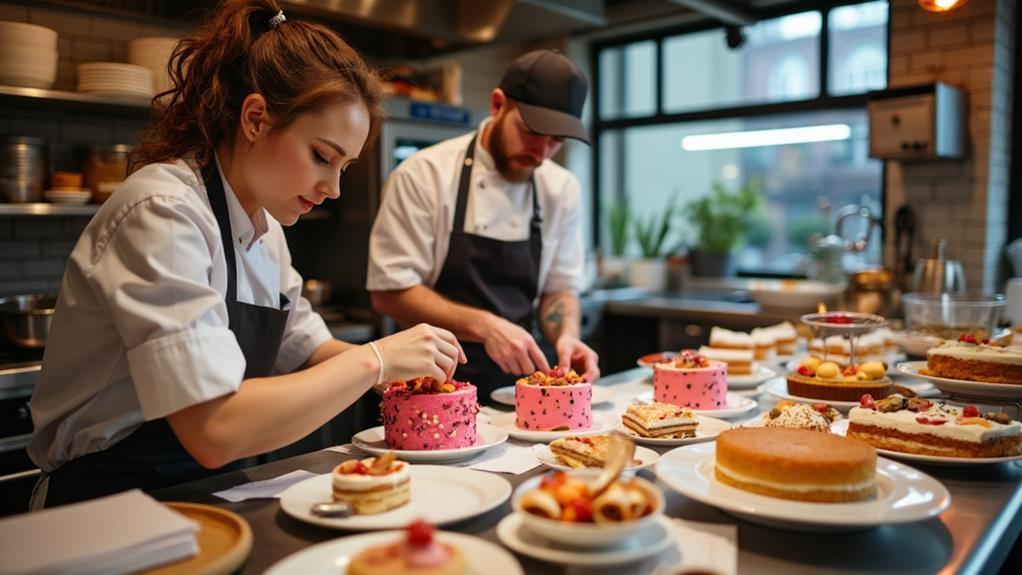
Where can aspiring pastry chefs in San Antonio find quality education to perfect their craft? The Culinary Institute of America (CIA) Texas offers baking-and-pastry focused training as part of its San Antonio campus offerings, with curriculum that can include artisan breads, chocolates, and cake design, plus internship opportunities with industry partners. St. Philip’s College offers program flexibility with morning, afternoon, and evening classes for their Baking and Pastry Arts, A.A.S. degree and related certificates. Both institutions balance technical training with business skills, preparing you for various career paths. Their industry-experienced faculty helps you build skills that translate to real kitchens while gaining hands-on practice through labs and practicums designed for real-world application.
Hands-On Training and Real-World Experience Opportunities
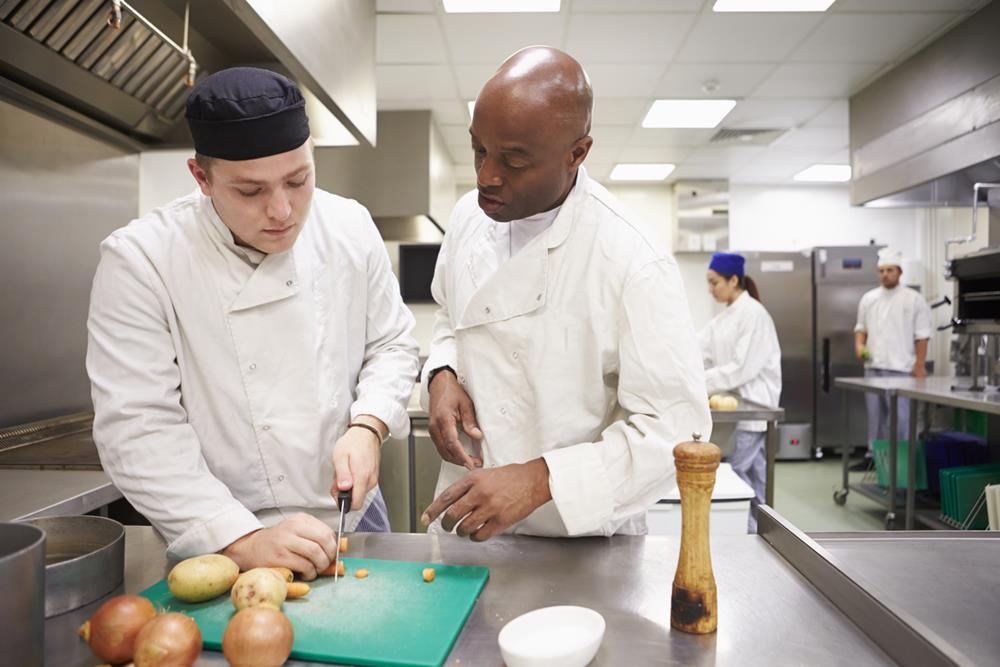
Four essential pathways provide San Antonio’s aspiring pastry chefs with the hands-on experience they need to succeed in the competitive culinary world. You’ll gain valuable skills through internships and practicums with local bakeries, restaurants, and hospitality partners, or through campus-based labs that mirror industry standards. On-campus laboratory settings offer frequent practice in commercial kitchens, with specialized equipment access that supports professional training. You’ll prepare food for real customers and gain event catering exposure through campus functions and community-facing service opportunities. Local culinary collaborations connect you with San Antonio’s vibrant food scene through festivals, pop-ups, and friendly competitions. Throughout your training, you’ll master professional techniques on commercial-grade equipment, preparing everything from artisan breads to high-end confections—skills employers immediately value.
Building Your Professional Network in San Antonio's Food Community
Building a strong professional network represents the cornerstone of success in San Antonio’s dynamic culinary landscape. As an aspiring pastry chef, you’ll find multiple avenues to connect with industry leaders through entrepreneur meetups, chef dinners, supplier tastings, and local hospitality events. Leverage incubator programs and small-business resources to form strategic partnerships with experienced entrepreneurs and potential investors who understand the culinary marketplace. Participate in community events and charity-forward food programming to showcase your skills while supporting the people and places that make the local scene thrive. Sponsor or volunteer at culinary gatherings to increase your visibility among suppliers, distributors, and fellow chefs while demonstrating your commitment to community development. These connections can reshape your career trajectory while embedding you within San Antonio’s thriving food community.
From Classroom to Career: Success Pathways for Pastry Graduates
Securing a thriving network opens doors, but transforming your culinary education into a rewarding pastry career requires strategic planning and practical knowledge. As a graduate, you’ll enter a market where pay can range from hourly bakery roles to higher salaries in hotels, fine dining, or leadership positions, depending on experience and responsibilities. Your skill-building strategies should include creating a diverse portfolio and pursuing credentials that showcase your strengths in decoration techniques, bread work, plated desserts, and production planning. Consider the varied employment sectors—from hotels to specialty bakeries—where your talents can thrive. The demanding work environment requires physical stamina and attention to detail, but entrepreneurial opportunities exist in custom cake design, wholesale production, and event catering. San Antonio can be especially promising in higher-end kitchens where pastry cooks and pastry chefs often have clearer advancement tracks. To advance, leverage internships for practical experience and continuously refine your craft to meet San Antonio’s evolving culinary expectations.