What's It Like to Be a Plumber Working on Large Projects?
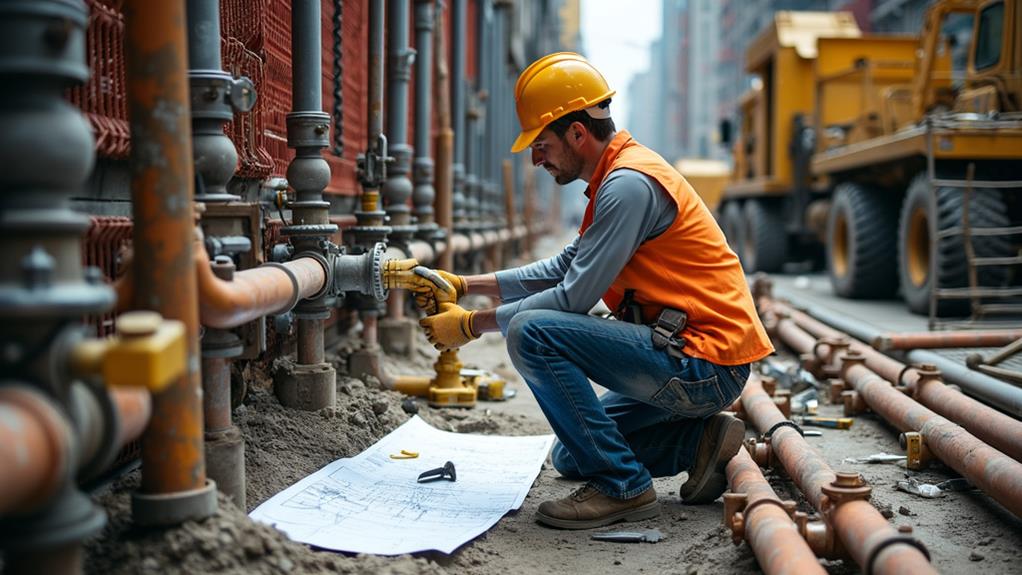
Working as a plumber on large projects involves navigating intricate blueprints, adhering to tight schedules, and collaborating with various trades. This role requires both technical expertise and physical endurance, often necessitating the management of complex systems under pressure. While the job can be demanding, it offers higher earnings and the opportunity to master advanced technologies. A typical day includes tasks such as installing and repairing piping systems, troubleshooting issues, and ensuring compliance with safety standards. Effective communication and teamwork are essential to manage the challenges and ensure project success.
Plumber Career Overview

A career as a plumber on large projects is both challenging and rewarding. You'll work on extensive plumbing systems in commercial or industrial settings, necessitating a strong understanding of blueprints and specifications. These projects involve more than just fixing leaks; they encompass the installation, maintenance, and repair of complex systems essential to the functionality of large buildings.
The job's physical demands are significant. Working on large projects requires physical stamina and strength, as you may need to lift heavy materials, maneuver large pipes, and operate in challenging environments. This is a hands-on job and can be physically taxing.
The earning potential in this field is appealing. The median pay for plumbers is approximately $59,880 annually, but those working on large-scale projects often earn more. With experience and specialization, your salary can increase considerably.
Additionally, the job market for plumbers is stable, with a projected growth of 5% over the next decade. This steady demand ensures that your skills will remain valuable, making it a reliable career choice.
Key Responsibilities on Large Projects
As a plumber on large projects, you will need to accurately read and interpret blueprints to ensure installations align with design specifications. Proficiency in various installation techniques is crucial for integrating plumbing systems seamlessly with other trades. Additionally, you will be responsible for preparing detailed cost estimates for materials and labor, which will aid in effective budgeting and project management.
Blueprint Interpretation Skills
Mastery of blueprint interpretation is not just beneficial but essential for plumbers on large projects. Understanding blueprints allows you to accurately envision and implement plumbing systems as dictated by architectural plans. These documents provide detailed layouts, including pipe sizes, materials, and installation methods—key information needed to ensure compliance with building codes and safety regulations.
Your blueprint interpretation skills are crucial for identifying significant details that could prevent costly mistakes. Familiarity with blueprint symbols and terminology is vital for managing the complexities of large-scale jobs. You'll need to know precisely where every pipe, valve, and fixture goes, and how they integrate into the overall structure.
Furthermore, your ability to read and interpret blueprints enables effective collaboration with other trades. Whether coordinating with electricians, HVAC technicians, or structural engineers, clear communication and precise execution are paramount. By understanding the entire scope of the project, you can seamlessly integrate plumbing systems with electrical and HVAC elements, ensuring a smooth workflow and project success. Your expertise in blueprint interpretation forms the foundation for efficient and effective project execution.
Installation Techniques Mastery
Mastering installation techniques on large projects goes beyond understanding blueprints—it's about precision and expertise as a licensed plumber. You must read and interpret detailed blueprints and schematics to accurately plan plumbing layouts. Your responsibilities include cutting, welding, and assembling various types of pipes and fittings using specialized tools that meet industry standards for large-scale installations.
A thorough knowledge of local plumbing codes and regulations is essential. Ensuring that all systems adhere to safety and performance standards during the construction phase is crucial. This involves integrating these rules seamlessly into your work.
Large plumbing projects often require collaboration with other trades such as electricians and HVAC technicians. Strong communication and coordination skills are vital to ensure systems are integrated seamlessly. Your work must align perfectly with other systems to avoid costly mistakes and rework.
Mastering these installation techniques is not just about technical skills—it's about being a proactive member of a larger team, ensuring every project aspect comes together flawlessly. This makes your role as a licensed plumber both challenging and rewarding, contributing to the successful completion of complex projects.
Project Cost Estimation
Accurate project cost estimation is crucial for ensuring the feasibility and financial success of large plumbing projects. This process involves analyzing blueprints, specifications, and material costs to provide precise budget forecasts, which directly impact the project's feasibility.
Here are four critical elements involved in project cost estimation:
- Labor Costs: Calculate the hours required and the rates for skilled plumbers.
- Material Costs: Evaluate the prices for pipes, fittings, and other necessary materials.
- Equipment Rentals: Include costs for special tools or heavy machinery needed for the job.
- Overhead Costs: Factor in indirect expenses such as permits, insurance, and administrative costs.
To achieve accurate cost estimation, you must be knowledgeable about local plumbing codes, labor rates, and material prices, which can vary by region. Collaboration with project managers and other trades is often necessary to adjust estimates if project scopes change, ensuring that budget constraints are met while maintaining quality standards.
Effective project cost estimation leads to better financial control and profitability. It helps prevent budget overruns and ensures resources are used efficiently, making your plumbing services invaluable to stakeholders. Accurate budget forecasts ensure that every aspect of the project is financially sound, enabling successful project completion.
Work Environment Challenges
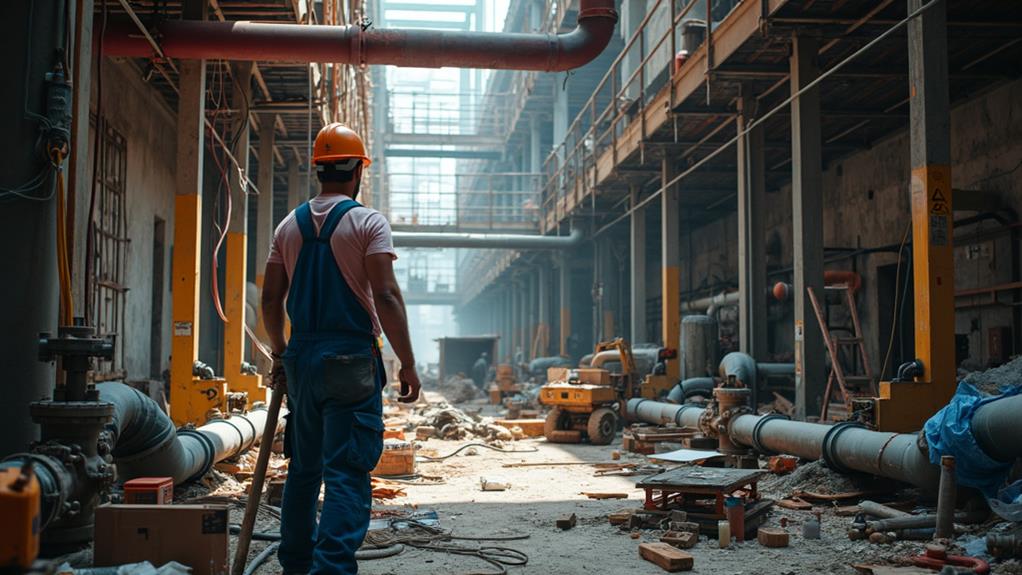
Navigating the demanding work environments of large projects, plumbers often encounter significant physical and mental challenges. The job requires working irregular hours, including nights and weekends, especially during emergencies or tight project deadlines. Physically, it involves maneuvering through confined spaces and elevated areas, which can strain muscles and potentially lead to injuries if proper care is not taken.
Extended hours on large construction sites are common, often necessitating overtime to meet deadlines. This can result in fatigue and burnout, adversely affecting both performance and well-being. Safety is critical due to the presence of hazardous materials like chemicals and gases, making adherence to safety protocols and the use of protective equipment essential.
The collaborative nature of large projects means coordinating with multiple trades, adding complexity to communication and increasing stress levels, especially when timelines are tight. Staying organized and focused is crucial. Balancing these professional demands with personal time can be challenging, often disrupting work-life balance. Successfully navigating these challenges requires resilience and a steadfast commitment to safety and efficiency.
Essential Skills and Training
To excel as a plumber on large projects, you need extensive hands-on training through apprenticeship programs that typically last four to five years. During this time, you will acquire crucial technical skills and learn to navigate complex plumbing systems under the supervision of licensed professionals. Mastering these skills is essential for addressing the unique demands of large-scale installations and ensuring high-quality performance.
Hands-On Training Essentials
Hands-on training is essential for aspiring plumbers because practical experience is paramount in this field. Typically, this experience is acquired through four to five years of apprenticeship programs, where you work under licensed plumbers. This hands-on training ensures that you gain critical skills and knowledge directly from seasoned professionals.
Here are four key components of this hands-on training:
- Apprenticeships: These programs combine on-the-job experience with classroom instruction, allowing you to learn problem-solving techniques and tool handling in real-world scenarios.
- Technical Schools: Vocational training at technical schools or community colleges covers essential plumbing skills, safety protocols, and local plumbing codes.
- Continuous Education: The plumbing industry is continually evolving, making it crucial to stay updated through ongoing education and certifications to keep up with new technologies and standards.
- Skill Development: During your training, you will develop physical stamina for manual labor, attention to detail for precise installations, and effective communication skills for customer interactions and teamwork.
Technical Proficiency Demands
Mastery of technical proficiency is crucial for plumbers working on large projects. Strong technical skills are essential for understanding plumbing systems, tools, and installation techniques. This expertise ensures that you meet project specifications and adhere to relevant codes. Hands-on training through apprenticeship programs, typically lasting 4-5 years, is vital for gaining the experience and proficiency required for large-scale plumbing installations.
Continuous learning is also important. As technology evolves, plumbing systems do too. Staying updated with new technologies, such as smart plumbing solutions and eco-friendly practices, keeps you competitive in the industry. Your ability to learn and adapt ensures you are always prepared for the next major project.
Attention to detail is another key requirement. Large projects require precise measurements and installations. Even minor errors can lead to significant and costly issues. Your meticulous approach helps prevent these mistakes and ensures compliance with safety regulations.
Effective problem-solving skills are necessary as well. Large projects often come with tight deadlines and require collaboration with other trades on-site. Your expertise in diagnosing and addressing issues quickly keeps the project on track. Adopting these skills will enable you to thrive in the demanding world of large-scale plumbing.
Advantages of Large Project Work

Engaging in large-scale projects as a plumber provides several significant benefits that can enhance both your professional and personal life. These projects are frequently in high demand, often offering a competitive salary that exceeds the earnings from standard residential jobs. Experienced plumbers can earn up to $80,000 annually, depending on the project's complexity and location, making the financial rewards notably higher.
Additionally, large projects offer more consistent work hours, leading to a predictable schedule over several months or even years. This stability is a refreshing change from the irregular hours typical of smaller jobs, providing a more balanced lifestyle.
Moreover, working on large-scale projects exposes you to advanced technologies and systems, such as smart plumbing solutions. This experience enhances your technical skills and knowledge, making you more competitive in the job market.
Finally, collaborating with a larger team of skilled tradespeople fosters professional relationships and networking opportunities. This can open doors to future job openings and collaborations, further advancing your career.
Key Advantages:
- Higher pay rates and competitive salary.
- Consistent work hours and a predictable schedule.
- Exposure to advanced technologies and systems.
- Opportunities for professional relationships and networking.
Disadvantages of Large Project Work
Large project work as a plumber comes with its share of challenges. You'll often encounter demanding tasks with unpredictable schedules, including extended hours or weekend shifts, which can disrupt your personal life and impact your work-life balance.
Physical fitness is crucial in this profession. Large projects frequently require working in cramped and challenging environments, which can strain your body over time. This physical demand increases the risk of injury, making it essential to maintain good physical condition.
The complexity of large-scale plumbing systems adds another layer of difficulty. Coordinating with multiple contractors and trades is necessary to ensure compliance with codes and to promptly resolve unexpected issues. This responsibility can elevate stress levels as you manage various tasks simultaneously.
Delays in project timelines are common, often due to supply chain issues or changes in project scope. These delays can create periods of uncertainty, affecting income stability. Additionally, the competitive nature of these projects pressures you to work quickly and efficiently. Rushing can compromise quality, potentially leading to future maintenance problems and customer dissatisfaction.
Real-Life Experiences

Despite the many challenges, plumbers on large projects often share invaluable real-life experiences that highlight the rewards and learning opportunities in this field. Working on large projects means collaborating with a diverse team of contractors and specialists, making communication and teamwork essential. This environment not only enhances your interpersonal skills but also expands your professional network.
Here are some real-life experiences you might encounter:
- Interpreting Complex Blueprints: Navigating intricate blueprints and ensuring system specifications are met can be daunting. You'll often coordinate with architects and engineers, honing your attention to detail and problem-solving skills.
- Advanced Plumbing Technologies: Large projects frequently involve cutting-edge technologies, such as green plumbing systems focused on water conservation. This requires continuous learning and adaptation, keeping your skills relevant and in demand.
- Long Hours and Tight Deadlines: Expect long hours, especially during critical phases. Being on-site to troubleshoot and resolve issues promptly is vital, testing your endurance and dedication.
- Enhanced Skill Set and Earning Potential: Experience on large projects can significantly boost your expertise and earning potential. Specialized knowledge in commercial plumbing is highly valued, setting you apart in the industry.
These experiences not only enrich your career but also make you a more versatile and skilled professional.
Future Outlook and Trends
The plumbing industry is poised for growth, with a projected job increase of 5% from 2021 to 2031, highlighting a consistent demand for skilled professionals, particularly in urban areas with aging infrastructure in need of repairs and upgrades. This growth rate underscores the essential role of plumbing expertise in maintaining and improving critical systems.
Technological advancements are transforming the plumbing landscape. Innovations such as smart plumbing systems and eco-friendly solutions are making installations more efficient and sustainable. Staying updated on these technologies is crucial for plumbers to remain competitive and effective in their roles.
Sustainability is another significant trend. Water conservation techniques are now essential to meet stringent environmental standards in new constructions. This focus on sustainability will require the adoption of new practices and materials that promote eco-friendliness.
The industry also faces workforce shortages as many experienced plumbers retire, creating numerous job opportunities for newcomers. Entering the field now offers a wealth of opportunities, especially in large-scale projects. Embracing these trends and preparing for future developments can ensure a successful career in plumbing.